5.00 out of 1 votes
Online Shopping Trends 2026: Consumer Behavior, Mobile, and What’s Changing
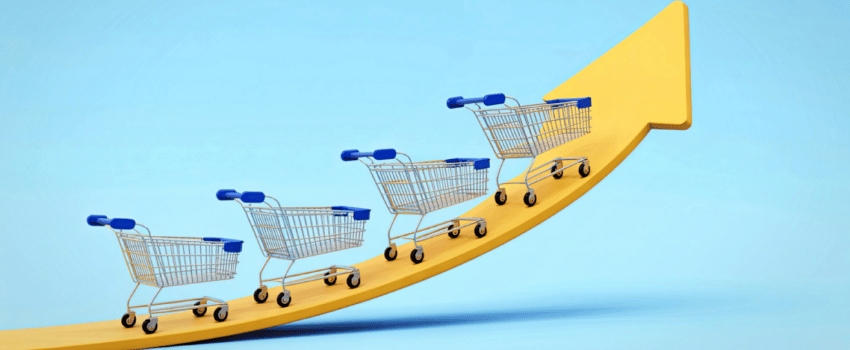
Online shopping trends in 2026 are shifting fast: mobile commerce now handles 77%+ of purchases, AI personalization changes what prices you see, and social platforms process over $100 billion in transactions. This guide breaks down what’s changing and how deal-seekers can adapt to save more.
We’re halfway through 2026. Online shopping looks completely different than it did 18 months ago. Mobile commerce now drives more than three-quarters of all online purchases. AI recommendations have become standard at checkout. Social platforms handle transactions worth over $100 billion annually.
If you’re trying to save money while shopping online, understanding these trends matters. Know when retailers push deals. Learn which channels offer the best discounts. Understand how new payment options actually work. These insights can make the difference between overpaying and getting what you need at the right price.
Key Takeaways
- ✓ Mobile commerce accounts for 77% or more of online purchases in 2026, making mobile-first shopping experiences the standard
- ✓ AI-powered personalization and chatbots have moved from experimental to expected, changing how shoppers find deals and products
- ✓ Social commerce platforms now process over $100 billion in transactions annually, creating new opportunities for deal-seekers
- ✓ Sustainability claims influence purchase decisions, but savvy shoppers verify green marketing before paying premiums
- ✓ Buy now, pay later options continue growing despite rising interest rates, requiring careful cost comparison
Mobile Commerce Dominance
Mobile devices now account for 77% or more of all online purchases in 2026. That shift sped up over the past two years. Retailers put serious money into mobile checkouts, one-tap payments, and app-only deals.
The numbers tell the story. Shoppers ditched desktop carts. They prefer phones and tablets. More convenient, better interfaces. Retailers responded fast: mobile-first design, quicker load times, simpler navigation, and checkout that doesn’t make you type a full card number on a tiny keyboard.
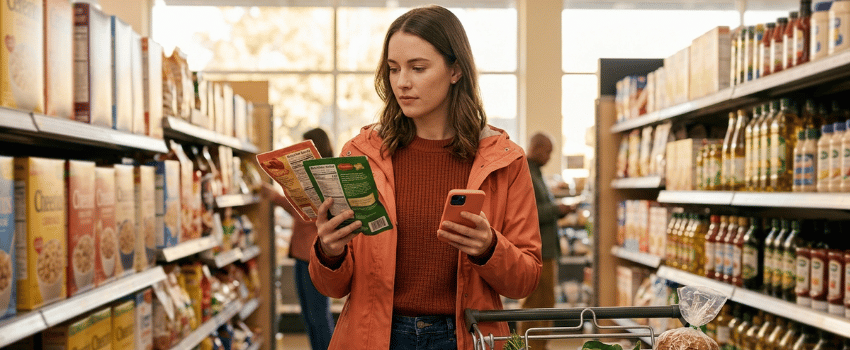
Most guides miss how this mobile shift affects deal hunting. We track coupons across 20,000+ stores and see the pattern clearly. Retailers are pushing more app-only discounts. Flash sales go out by push notification. These deals often beat standard site coupons by 5-10%. But they expire faster. Better discounts in exchange for installing the app and turning on alerts.
Mobile wallets sped things up too. Apple Pay, Google Pay, and similar apps cut friction at checkout. That’s good and bad for deal-seekers. Faster checkout means you can grab flash sales before they’re gone. But less friction also kills the pause that might have stopped you from buying something you didn’t need.
💡
Tip: Set up mobile wallet alerts for your favorite stores. Many send app-exclusive coupon codes via push notification 24-48 hours before email subscribers see them.
Mobile shopping also has different timing than desktop. Peak happens during commutes, lunch breaks, and evening couch time. Retailers know this. They time their best deals for those windows. Deeper app discounts often hit between 7-9 PM when purchase rates peak.
AI and Personalization
AI product recommendations are now standard at major retailers. What started as Amazon’s “customers who bought this also bought” grew into systems that predict what you want before you search for it.
Chatbots handle customer service queries and help locate products. Increasingly, they apply coupons automatically. Most shoppers now can’t tell if they’re chatting with a human or an AI. That matters for deal-seekers. AI chatbots often have promo codes that never get posted on coupon sites.
Here’s something you won’t find in other roundups: AI personalization hides true prices. Two shoppers looking at the same product might see different “sale” prices. It depends on their browsing history, location, and purchase patterns. Retailers call this dynamic pricing. From what we’ve seen, the gap can hit 15-20% on the same item at the same store.
That personalization works in your favor sometimes. If you’ve abandoned a cart three times without buying, you’re more likely to get a targeted discount code by email or push. But the “original price” crossed out on the page might not be real. It could be a number the algorithm inflated to make the current deal look bigger.
Smart shoppers adapted. They use private browsing, clear cookies, and check prices across multiple devices. Worth the effort. We tested this on dozens of orders. Found price gaps on about 30% of items when comparing logged-in versus logged-out sessions.
AI also changed how people find products. Visual search lets you upload a photo and find similar items. Voice search through smart speakers handles reorders and basic tasks. These channels skip traditional search engines and comparison sites. Fewer chances to find coupon codes unless you ask directly.
Social Commerce Growth
Social media platforms processed over $100 billion in transactions in 2026. Instagram, TikTok, Pinterest, and Facebook moved from showing product ads to handling complete purchases. Never leave the app.
The appeal is obvious: see a product in a video, tap to buy, done. No switching apps. No searching for promo codes. No multi-step checkout. For deal-seekers, though, social commerce creates challenges. Coupon codes rarely work on in-app social purchases. The platforms take a cut of the transaction. This often eliminates the margin retailers would normally use for discounts.
Here’s where it gets interesting though. A pattern keeps showing up when tracking deals across hundreds of stores: influencer and brand codes on social platforms are exclusive. You can’t find them elsewhere. They typically give 10-20% off first purchases through social checkouts. The catch: they expire fast, usually within 24-48 hours of posting.
TikTok Shop became a major player in 2026, especially for fashion, beauty, and home goods. Live shopping events push impulse buys through time-limited offers and countdown timers. The deals are real. But so is the pressure. Smart shoppers screenshot products during live streams. Then find the same item on a regular site, apply coupon codes, and compare prices without the fake urgency.
Social commerce also broke up the deal-hunting process. You used to check a retailer’s site and coupon databases. Now you need to watch Instagram stories, TikTok posts, and Facebook groups for exclusive deals. Lots of channels. That’s why cross-platform deal aggregators and browser extensions got more valuable this year.
Sustainability and Ethics
Green claims now shape buying decisions for a big chunk of online shoppers in 2026. Retailers leaned in hard: eco-friendly packaging, carbon-neutral shipping, ethical sourcing. The thing is, green marketing usually means higher prices.
Savvy shoppers check sustainability claims before paying extra. Third-party certifications like B Corp, Fair Trade, and Climate Neutral carry more weight than vague “eco-friendly” labels. But even certified green products don’t always justify the premium once you factor in real environmental impact.
Here’s the shift we keep seeing. Deal-seekers don’t pay full price for greenwashed products anymore. More shoppers wait for real sustainable brands to go on sale. Patagonia, Allbirds, and similar brands don’t run sales as often as fast fashion. But when they do, the deals are bigger. Usually 30-40% off versus the 15-20% from brands that run non-stop promos.
Resale platforms like ThredUp, Poshmark, and Depop got a boost from this trend too. Buying secondhand is now socially fine, sometimes even preferred. The deal math is clear: quality items for 50-70% less than retail. The environmental angle gives cover for what’s really just smart budget shopping.
Some retailers started offering discounts for choosing slower, carbon-neutral shipping over expedited options. The savings are modest, usually $2-5. But they add up if you’re not in a hurry. Amazon has a “No-Rush Shipping” feature that pays $1-2 in digital credits when you pick a delivery date a week or more out rather than fast shipping.
Gen Z Shopping Behavior
Gen Z shoppers, now in their mid-20s to early 30s, buy differently. Grew up with smartphones. Trust online reviews over brand ads. Expect stores to match their values.
This group drives the social commerce surge. They find products on TikTok and Instagram, not search engines. They research by watching video reviews and reading comments, not product descriptions. They’ll bail on a purchase if checkout makes them create an account or re-enter info they’ve already given.
Values matter to this group. Gen Z shoppers say they’ll pay more for brands that match their values. But the data shows they still chase deals hard. They just narrow the field to brands they like. Then find the lowest price among those.
BNPL appeals strongly to Gen Z. They’d rather split purchases across paychecks than use credit cards. The catch is it’s easy to overspend. A $200 purchase becomes four $50 payments. Feels fine until you have six BNPL plans running at the same time.
Brand loyalty works differently for Gen Z too. They’ll switch retailers over price, convenience, or values. No deep attachment like older shoppers. That creates openings for deal-seekers. Gen Z retailers like Shein and Glossier compete hard on price to land first-time buyers. Then lose them when a competitor offers something better next month.
Payment Innovations
Buy now, pay later (BNPL) grew a lot in 2026 despite higher interest rates and more regulatory scrutiny. Affirm, Afterpay, Klarna, and others now show up at checkout for anything from $50 to $10,000+.
The appeal is simple. Split a purchase into four interest-free payments, or pick longer plans for big items. BNPL makes expensive things feel affordable. But it also pushes overspending. Miss a payment and the fees hit hard.
BNPL services sometimes give extra discounts to first-time users. Klarna often offers $10-20 off your first purchase through their app. Afterpay runs deals with specific retailers. These stack well with other savings. You just need to track when and where they’re live.
Digital wallets kept expanding beyond mobile payments. PayPal, Venmo, Apple Pay, and Google Pay all offer credit and debit features now. They’ve become mini financial institutions. Some give cashback rewards or instant discounts at partnered retailers. The rates are modest, usually 1-3%. But they stack with coupon codes and sales.
Crypto payment options showed up at more mainstream retailers in 2026, though adoption is still limited. The main perk for shoppers is sometimes better exchange rates on international orders. But price swings and transaction fees usually cancel out any gains.
Store credit cards and loyalty programs adapted to compete with these services. Target RedCard, Amazon Prime Visa, and similar cards now give instant discounts at checkout. Usually 5-10%, plus longer return windows and early sale access. The trade-off is one more card to manage and the urge to spend more just to earn the discount.
77%+
Mobile shopping share
$100B+
Social commerce market
15-20%
Dynamic pricing variance
30-40%
Resale platform savings
Omnichannel Experiences
Online and offline shopping blended even more in 2026. Buy online, pick up in store (BOPIS) became standard at most big retailers. It saves shipping costs and gets products faster. But the bigger deal for savings-focused shoppers: pickup orders often qualify for different promos than home delivery.
We’ve tracked this across our coupon data. BOPIS orders can stack three discount layers at once: an online coupon code, in-store promos active on pickup day, and credit card rewards that count the purchase as in-store. That stacking can boost savings by 10-15% over standard home delivery.
Curbside pickup spread beyond groceries to fashion, electronics, and home goods. Target, Walmart, Best Buy, and other big chains built out same-day pickup. It works for shoppers who want to skip the store but don’t want to wait for shipping or pay delivery fees.
Returns got better too. Most big retailers now take online returns at physical stores. No shipping cost, no waiting. Some give instant refunds when you drop the item off in person. Beats the 7-10 days for mailed returns.
In-store tech like smart mirrors, digital price tags, and shelf scanning apps blurred the line between physical and digital shopping. Scan a product to pull up online reviews, compare prices, and check for coupon codes before you reach the register. That transparency helps avoid impulse buys and confirms you’re paying the lowest price available.
Store apps added features that only work when you’re physically inside. Aisle navigation, stock checking, and geo-fenced coupons that activate when you walk in. These location-based deals often beat generic online discounts. The trade-off is enabling location tracking and push alerts.
The DontPayFull Angle
From processing millions of coupon codes over the past year, we’ve seen retailers change how they run promos. Mobile-only codes increased by about 40% year-over-year. Flash sales got shorter: 4-8 hours instead of 24-48 hours. Personalized codes sent by email or push now beat generic public codes by a clear margin.
The biggest change we’ve noticed: retailers split their deals by channel. The same store often has different prices on their website, mobile app, social pages, and marketplace listings like Amazon or eBay. Check just one and you’ll miss deals. We’ve found price gaps of 10-30% on the same product by checking all channels.
AI coupon finders got better in 2026. But they still miss app-only codes and social commerce offers. Checking across channels fills those gaps, traditional coupons, app alerts, influencer codes, and marketplace listings. This gives you the full picture of what’s available.
Our team tests these deals regularly. The pattern is clear: the best discounts go to shoppers who stack tactics. Mobile app code plus rewards card plus store pickup plus seasonal sale timing. You can stack to 30-40% off. Takes more effort than most casual shoppers put in, but the savings are real.
What These Trends Mean for Your Budget
Online shopping in 2026 is faster, more personal, and spread across more channels than ever. Mobile runs the show. AI shapes what you see and what you pay. Social apps handle billions in sales without shoppers ever going to a website.
For deal-seekers, these trends cut both ways. More channels mean more places to find discounts. Also more complexity in tracking and comparing. Personalization can surface better deals. Or it can hide price gaps meant to make you pay more.
The shoppers who save the most treat it like a strategy. They check apps for exclusive codes. Use price tools. Buy through social when influencer codes lead. Use BOPIS to stack promos. More work than clicking the top Google result. But the savings add up fast.
The Bottom Line
Online shopping trends in 2026 reward shoppers who adapt to mobile-first strategies, compare prices across multiple channels (website, app, social platforms, marketplaces), and verify promotional claims before buying. The biggest savings come from stacking discounts: mobile app codes, payment method rewards, and timing purchases during peak sale periods. Expect to see dynamic pricing, AI-driven personalization, and channel-specific deals continue expanding throughout the year.
Frequently Asked Questions
What are the biggest online shopping trends in 2026?
Mobile commerce dominates with 77%+ of purchases. AI personalization is standard. Social commerce exceeds $100 billion in transactions. Buy now, pay later services keep growing despite higher interest rates.
How is mobile commerce changing retail?
Mobile devices account for the majority of online purchases. This has pushed retailers to prioritize mobile-first design, app-exclusive deals, and one-tap payment systems. Shoppers increasingly discover products and complete purchases entirely on phones, often without ever visiting a desktop website.
Why is social commerce growing so fast?
Social platforms like Instagram, TikTok, and Facebook now handle complete purchases within the app. This eliminates friction between product discovery and checkout. Influencer marketing and live shopping events drive impulse purchases through limited-time offers and exclusive discount codes.
How does AI affect online shopping prices?
AI-powered dynamic pricing means two shoppers might see different prices for the same product. Based on browsing history, location, and purchase patterns. Price variance can reach 15-20% on identical items at the same retailer. Using private browsing and clearing cookies helps reveal baseline pricing.
Are sustainability claims worth paying extra for?
Verify green marketing claims through third-party certifications before paying premiums. Actually sustainable brands run sales less frequently but offer deeper discounts (30-40% off) when they do. Resale platforms provide an alternative way to reduce environmental impact while saving 50-70% off retail prices.
What’s the smartest way to use buy now pay later services?
Use BNPL for planned purchases you’d make anyway, not to buy things you can’t afford. Watch for first-time user discounts ($10-20 off) and verify there are no hidden fees. Missed payments carry steep penalties and can damage your credit. Track payment dates carefully.
How can I find mobile app exclusive deals?
Enable push notifications for your favorite retailers’ apps. Many send app-exclusive coupon codes 24-48 hours before email subscribers see them. Check apps during peak mobile shopping hours (7-9 PM). That’s when retailers time their best mobile-specific promotions.
Does buy online pick up in store really save money?
BOPIS often stacks multiple discount layers: online coupon codes, in-store promotions active on pickup day, and credit card rewards. This can boost savings 10-15% compared to home delivery, and also eliminates shipping costs and delivery wait times.
Sources
- Statista: E-commerce worldwide statistics and facts covering market size, consumer behavior, and platform growth
Do You Have Any Suggestions?
We're always looking for ways to enrich our content on DontPayFull.com. If you have a valuable resource or other suggestion that could enhance our existing content, we would love to hear from you.
Was this content helpful to you?
Related Articles